BrainDance HUD
I built BrainDance to put a useful screen near your eye while leaving the room around you visible. It became a working wearable computer, a study of how a product takes shape, and a complete set of materials for explaining the idea: technical drawings, renders, a launch-style film and a live presentation.
Finding the image
The display was a purchased micro screen. The work was in arranging the components and optics around it: redirecting and magnifying the image, finding a useful position near the eyebrow, and adjusting the assembly so the picture appeared to float ahead of the wearer.
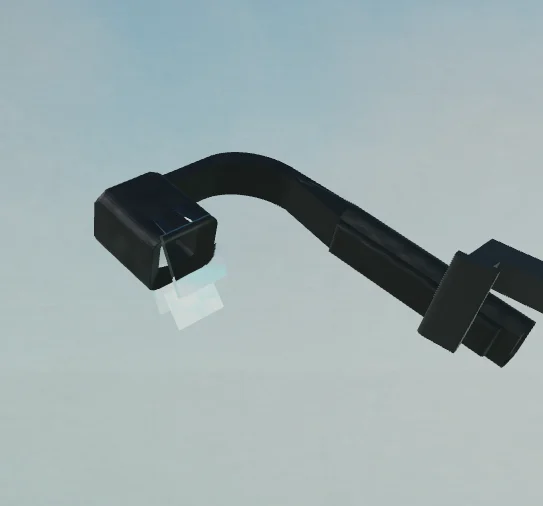
The render shows the proposed form. The physical build made the optical effect something people could try. I used it as a teleprompter during my presentation, and other people tried the headset themselves. Being able to see the image through the device made the idea much easier to discuss than a diagram alone.
Getting a computer into the loop
I worked through compatibility between the micro display and a Raspberry Pi, including the operating-system version needed to drive it. A remote-screen setup streamed a computer desktop over Wi-Fi, with keyboard input reaching the remote machine. Notes, a browser and other desktop content could then appear through the near-eye display.
This made the technical questions concrete. Readability depended on physical adjustment; weight, placement and the viewing position affected the experience. The build let me test those trade-offs directly and return to the drawings with a better understanding of what needed to change.
The product around the prototype
My research asked how to take an idea through technical development and into communication. I studied product-development methods, including design thinking and the V-model, alongside audience positioning and advertising frameworks such as AIDA. I used that research to structure the work, rather than treating the report and the object as separate assignments.
The written study placed more weight on technical development; the presentation gave more room to marketing and explanation. I made visual assets and technical drawings, explored the product in 3D, and edited a launch-style film in DaVinci Resolve. That required thinking about what someone should understand before they could ever put the headset on.
BrainDance was completed as a coursework project, with a working device and a formal defence. Its strongest result was the span of the work: I could explain the research, show the design, and then put the actual display on to give the presentation.
Built, worn, demonstrated.